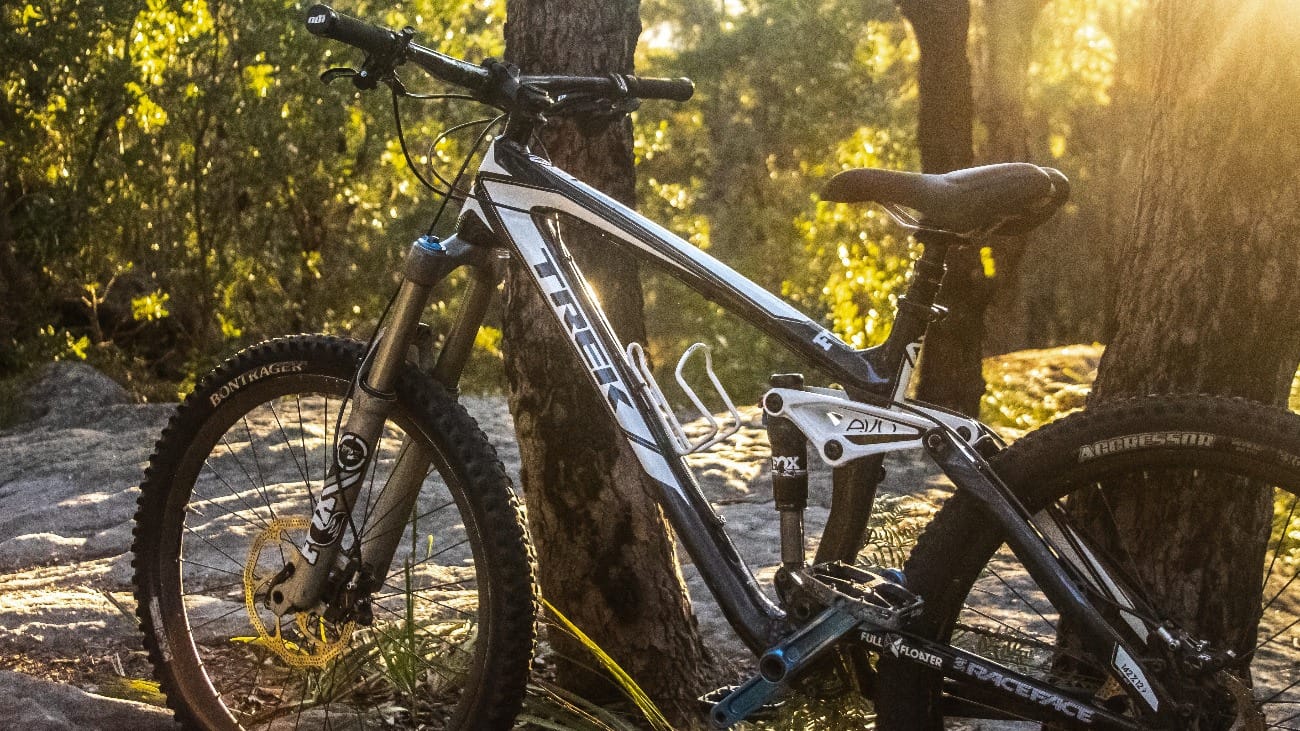
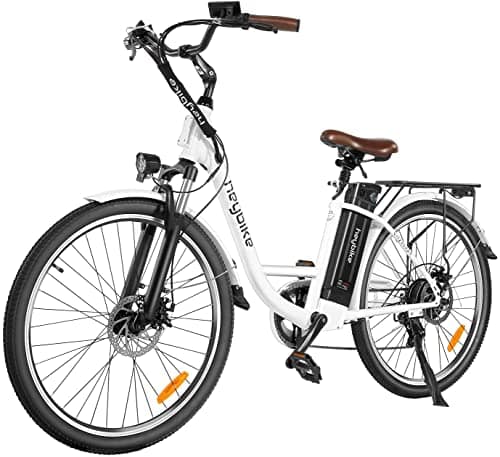
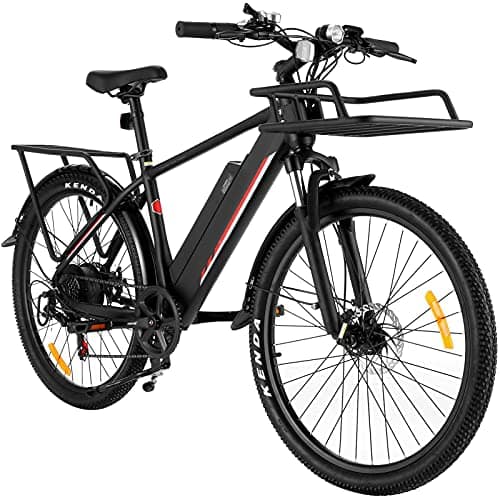
Mountain terrain biking is an exhilarating adventure that pushes your limits and immerses you in the beauty of nature. Whether you’re a beginner or an experienced rider, these mountain terrain biking tips will help you make the most of your off-road cycling journey.
From essential techniques for handling challenging trails to optimizing your bike setup, we’ll provide valuable insights to enhance your biking skills and keep you safe. So grab your helmet, tighten your laces, and get ready for an unforgettable mountain biking experience.
IN THIS ARTICLE
COMPARE PRODUCTS
1 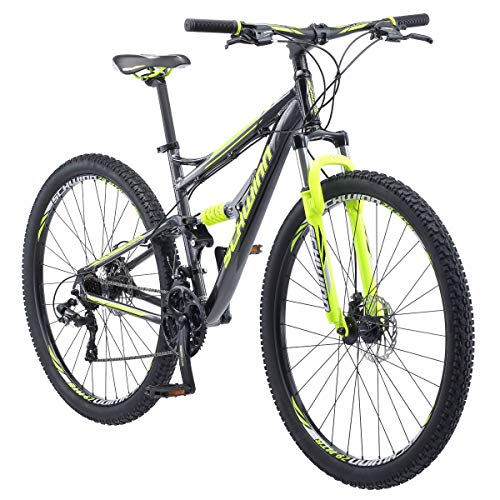 | SCORE: 8.6 Brand: Schwinn  | |
2  | SCORE: 8.4 Brand: Schwinn | |
3 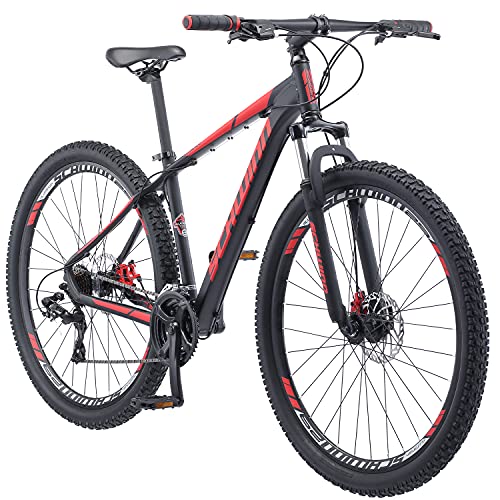 | SCORE: 8.0 Brand: Schwinn | |
4  | SCORE: 7.6 Brand: Schwinn | |
5  | SCORE: 9.2 Brand: Schwinn | |
6  | SCORE: 8.2 Brand: Schwinn | |
7  | SCORE: 9.2 Brand: Schwinn |
Buying Guide
Pros
- Enhanced riding skills and technique.
- Improved balance, agility, and coordination.
- Access to breathtaking natural landscapes.
- Opportunities for physical fitness and cardiovascular exercise.
- Increased mental well-being through outdoor exploration and adventure.
Cons
- Risk of accidents and injuries, particularly on challenging trails.
- Requirement for specialized equipment and safety gear, which can be expensive.
- Physical exertion and potential fatigue during long rides.
- Dependence on favorable weather conditions for optimal biking experiences.
- Limited accessibility to mountainous regions, depending on geographical location.
Terrain and Riding Style
Assess the type of terrain you’ll be predominantly riding on, whether it’s cross-country trails, downhill descents, or technical singletracks. Determine your riding style and preferences, as this will influence the type of mountain bike and its features that best suit your needs.
Frame Material
Consider the different frame materials available, such as aluminum, carbon fiber, or steel. Each material has its own characteristics in terms of weight, durability, stiffness, and cost. Evaluate these factors based on your budget and desired performance to make an informed decision.
Suspension System
Decide whether you need a hardtail or full suspension mountain bike. Hardtail bikes have a front suspension fork, offering more efficiency on climbs and less maintenance, while full suspension bikes have both front and rear suspension for improved comfort and control on rough terrains. Consider your riding style, the terrain you’ll encounter, and your personal preferences.
Components
Pay attention to the components of the mountain bike, including the brakes, gears, drivetrain, wheels, and tires. Opt for high-quality and reliable components that match your riding style and the demands of the terrain. Look for features like hydraulic disc brakes, a wide gear range, durable wheels, and grippy tires suitable for off-road conditions.
Fit and Size
Ensure the mountain bike fits you properly for a comfortable and efficient riding experience. Consider factors such as frame size, geometry, handlebar width, and saddle position. Test ride different bikes and consult size charts provided by manufacturers to find the right fit based on your height, inseam length, and riding preferences.
FAQs
Q1: How can I improve my balance and stability while mountain terrain biking? A1: Balance and stability are crucial for mountain terrain biking. Practice maintaining a low center of gravity, distribute your weight evenly, and use your arms and legs as shock absorbers to navigate uneven terrain smoothly.
Q2: What safety gear should I wear for mountain terrain biking? A2: It’s essential to wear a helmet, gloves, knee pads, and elbow pads for protection. Additionally, invest in sturdy, ankle-supporting shoes and consider wearing protective eyewear to shield your eyes from debris.
Q3: How can I choose the right trail difficulty level for my skill level? A3: Start with beginner-friendly trails and gradually progress to more challenging ones as you gain confidence and experience. Research trail difficulty ratings, consult local biking communities, and always assess your skills realistically before attempting advanced trails.
Final Thoughts
Mountain terrain biking is a thrilling outdoor pursuit that demands skill, resilience, and preparation. By implementing the tips and techniques shared here, you’ll be better equipped to tackle challenging trails, improve your riding abilities, and ensure a safer biking experience overall. Remember, practice makes perfect, so get out there, explore breathtaking landscapes, and embrace the joy of mountain terrain biking.