Choosing the right bike backpack can significantly enhance your commuting experience. The best bike backpacks for commuters are designed to offer comfort, functionality, and durability. They come with features like waterproof materials, ample storage, and ergonomic designs to make your daily ride more convenient and enjoyable. In this guide, we’ll explore some of the top options available and provide insights to help you select the perfect backpack for your needs.
IN THIS ARTICLE
COMPARE PRODUCTS
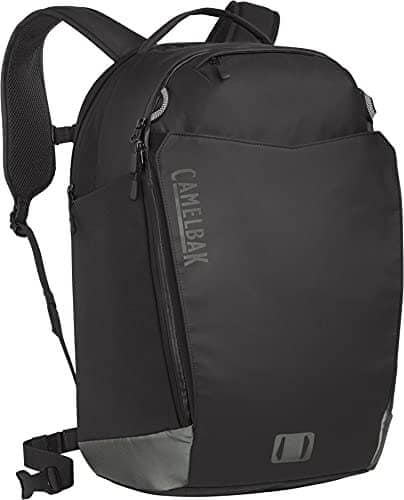
1  | SCORE: 8.6 Brand: CamelBak  | |
2  | SCORE: 8.4 Brand: Osprey | |
3  | SCORE: 8.0 Brand: Thule | |
4  | SCORE: 7.6 Brand: Osprey | |
5  | SCORE: 9.2 Brand: riderbag | |
5  | SCORE: 9.2 Brand: YEEGO |
Buying Guide
- Comfort and Ergonomics:
- Padded Shoulder Straps: Look for backpacks with well-padded shoulder straps to distribute the weight and reduce strain on your shoulders evenly.
- Back Panel Design: A ventilated or mesh back panel can improve airflow, keeping your back cool and comfortable during your ride.
- Adjustable Straps: Ensure the backpack has adjustable chest and waist straps to help stabilize the load and prevent the backpack from shifting while riding.
- Ergonomic Shape: Choose a backpack designed to fit the contours of your back for enhanced comfort and better weight distribution.
- Material and Durability:
- Weather Resistance: Opt for backpacks made from waterproof or water-resistant materials like nylon or polyester to protect your belongings from rain and moisture.
- Durable Construction: Look for high-quality stitching and reinforced seams to ensure the backpack can withstand daily wear and tear.
- Abrasion Resistance: Materials that are resistant to abrasion will maintain their appearance and functionality even after prolonged use.
- Quality Zippers and Buckles: Durable zippers and buckles are essential for the longevity of your backpack, as they are often the first components to show signs of wear.
- Storage Capacity and Organization:
- Volume: Choose a backpack with a capacity that suits your daily needs. For most commuters, a backpack with 20-30 liters of volume is ideal.
- Compartment Layout: Look for multiple compartments and pockets to keep your items organized. Dedicated spaces for laptops, tablets, and other essentials can make packing and accessing your belongings easier.
- Expandable Sections: Some backpacks offer expandable sections to accommodate larger loads when necessary.
- Accessibility: Easy-access pockets for items you need frequently, such as keys, phones, or wallets, add to the convenience.
- Safety Features:
- Reflective Elements: Reflective strips or panels increase your visibility to motorists during low-light conditions, enhancing your safety.
- High-Visibility Colors: Bright colors can make you more noticeable on the road.
- Attachment Points for Lights: Some backpacks include loops or straps where you can attach bike lights, providing an additional layer of safety.
- Additional Features:
- Laptop Compartment: If you carry a laptop, look for a backpack with a padded, dedicated laptop compartment to protect your device.
- Hydration System Compatibility: For longer commutes, a backpack with a sleeve and opening for a hydration bladder can be very convenient.
- External Attachments: Straps or loops for attaching helmets, locks, or other gear can add to the functionality of your backpack.
- Compression Straps: These help to stabilize the load and reduce bulk, making your ride more comfortable.
Pros and Cons
Pros:
- Comfortable to wear: Ergonomic designs and padded straps reduce strain on your shoulders and back.
- Durable: High-quality materials and construction ensure long-lasting use.
- Weather-resistant: Waterproof features protect your belongings from rain and moisture.
- Organized storage: Multiple compartments and pockets keep your items neatly organized.
- Safety features: Reflective elements increase visibility during low-light conditions.
Cons:
- Cost: High-quality backpacks can be expensive.
- Weight: Some durable materials can add extra weight to the backpack.
- Size limitations: Finding the perfect size can be challenging, especially for those needing more or less storage capacity.
- Maintenance: Waterproof materials may require special care to maintain their properties.
ur commuting needs and enhances your daily ride.
FAQs
1. What features should I look for in a bike backpack for commuting?
Look for features such as waterproof materials, padded straps, multiple compartments, reflective elements for safety, and ergonomic designs. These features ensure comfort, durability, and convenience during your commute.
2. How do I choose the right size of a bike backpack for commuting?
Consider the volume of the backpack, usually measured in liters. For daily commuting, a backpack with a capacity of 20-30 liters is typically sufficient. Ensure it fits your body size comfortably without being too bulky.
3. Are there any specific brands known for making good bike backpacks for commuters?
Several brands are renowned for their quality bike backpacks, including Osprey, Thule, Timbuk2, and Ortlieb. These brands are known for their durability, innovative designs, and commuter-friendly features.
Conclusion
Investing in the best bike backpack for commuting can make your daily rides more efficient and enjoyable. With the right features, size, and brand, you can find a backpack that meets your specific needs. Use this guide to make an informed decision and enhance your commuting experience.