Are you in the market for a new mountain bike? If so, you may be wondering how to choose the right size bike. It can be tricky to figure out, but don’t worry – we’re here to help! In this blog post, we will discuss mountain bike sizing and provide a mountain bike size chart to help you find the perfect fit.
We’ll also provide tips on how to adjust your bike to make sure it is comfortable for you. So what are you waiting for? Read on for all the information you need to choose the right size mountain bike!
IN THIS ARTICLE
COMPARE PRODUCTS
1 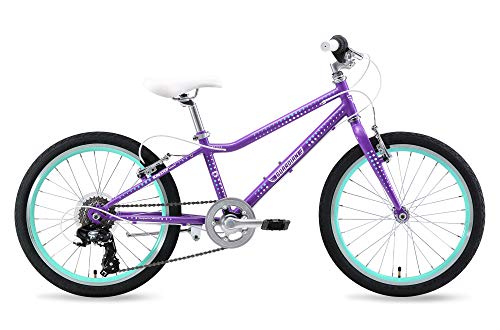 | SCORE: 8.6 Brand: Guardian  | |
2 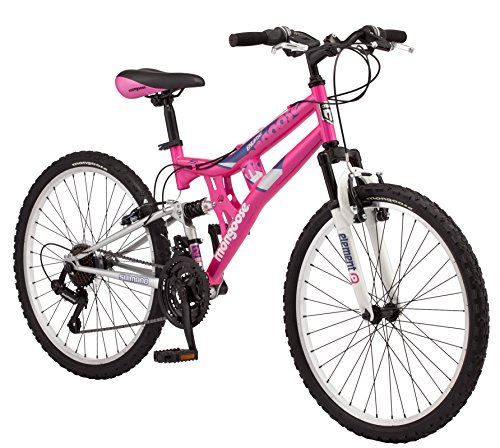 | SCORE: 8.4 Brand: Mongoose | |
3 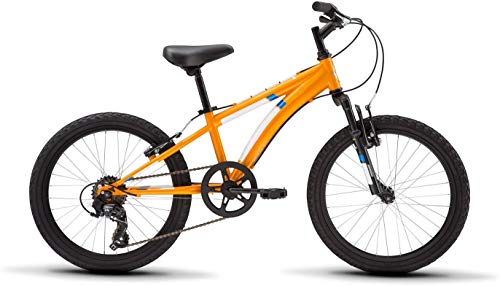 | SCORE: 8.0 Brand: Diamondback | |
4 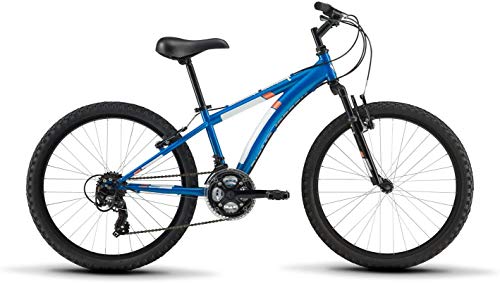 | SCORE: 7.6 Brand: Diamondback | |
5 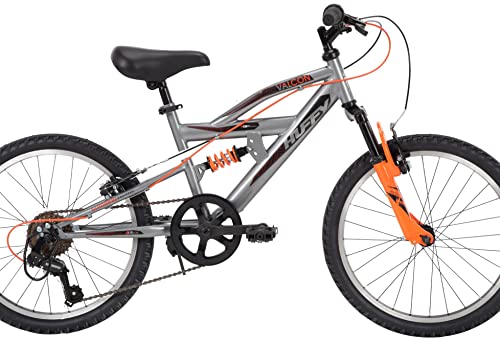 | SCORE: 9.2 Brand: Huffy | |
6  | SCORE: 9.2 Brand: Huffy |
Buying Guide
Mountain Bike Size Chart – How to Choose the Right Size Bike
Choosing the right size mountain bike can make all the difference in your riding experience. A bike that is too small or too big can lead to discomfort, lack of control, and even injury.
- To start, measure your inseam (the distance from your crotch to the floor). This measurement will determine the size of the bike frame you should look for.
- Next, consider your height and weight. Generally, a bigger rider will need a larger frame size, while a smaller rider may need a smaller frame size.
When trying out different bikes, pay attention to how easily you can reach the handlebars and pedals, as well as your overall level of comfort on the bike. It may also be helpful to consult a professional at a bike shop for advice and assistance in finding the right fit for you.
Frame Size
Inseam Measurement (inches)
- <25” – 13” or XS frame
- 25”-29” – 15” or S frame
- 29”-32” – 17” or M frame
- 32”-35” – 19” or L frame
- > 35”+ – 21” or XL frame
Wheel Size
In addition to frame size, you may also want to consider wheel size. The most common sizes for mountain bikes are 26”, 27.5”, and 29”. Each size has its own pros and cons – a smaller wheel (26”) is more maneuverable but may have less rolling momentum, while a larger wheel (29”) has better rolling momentum but may be less nimble. Consider your riding style and the type of terrain you will be riding on to determine which wheel size is best for you.
Frame Geometry
Frame geometry refers to the angles and measurements of a bike frame, and can have an impact on the overall feel of your ride. There are different types of frame geometry, such as “low-slung” or “aggressive” for more technical trails, and “relaxed” or “upright” for more casual riding. Again, consider your riding style and the type of terrain you will be riding on to determine which frame geometry will work best for you.
Top Tube Length
Top tube length is another aspect to consider when choosing a mountain bike size. A longer top tube may offer more stability, while a shorter top tube may be easier to maneuver. As with the other factors, consider your height and riding style when determining the appropriate top tube length for you.
Saddle height
In addition to the size and fit of the bike frame, also pay attention to your saddle height. Your leg should be fully extended at the bottom of a pedal stroke, with a slight bend in the knee. You may need to adjust the saddle height as you ride to find your optimal fit.
While there is no one-size-fits-all solution for choosing the right mountain bike size, using your measurements, considering your height and weight, and taking into account factors like wheel size and frame geometry can help you find the perfect fit for an enjoyable and safe riding experience.
Handlebar Position
Similarly, pay attention to the position of your handlebars. Your arms should be slightly bent and your back should have a slightly forward lean, rather than being hunched over or overly stretched out. Adjust the handlebar height and distance from the saddle as necessary for optimal comfort and control.
FAQs
1. What size mountain bike is right for my height?
There is no set answer for this, as it also depends on your inseam measurement and preferred riding style. It is best to try out different sizes and see which feels most comfortable for you.
2. Can I adjust my mountain bike to fit me better?
Some aspects of the bike, such as saddle height and handlebar position, can be adjusted to better fit your body. However, it is important to have the right frame size for your measurements to ensure a safe and comfortable ride.
3. Can I switch out parts of my mountain bike, such as the wheels or handlebars, to improve fitness?
Yes, you can switch out certain parts of your mountain bike to customize the fit and performance. However, it is important to consult a professional at a bike shop before making any major changes to ensure compatibility and safety.
4. Can I ride a mountain bike if I am taller or shorter than the recommended size range?
While it may be possible, it is not recommended as it can affect your stability and control on the bike. It is best to find a bike that fits within the recommended size range for your height.
Final Thoughts
In conclusion, there are various factors to consider when choosing the right size mountain bike. Use your measurements and preferred riding style to determine the best fit for you. Adjustments can be made to improve the fit, but it is important to consult a professional before making any major changes. Ultimately, finding a bike that fits within the recommended size range for your height will ensure a safe and enjoyable riding experience.