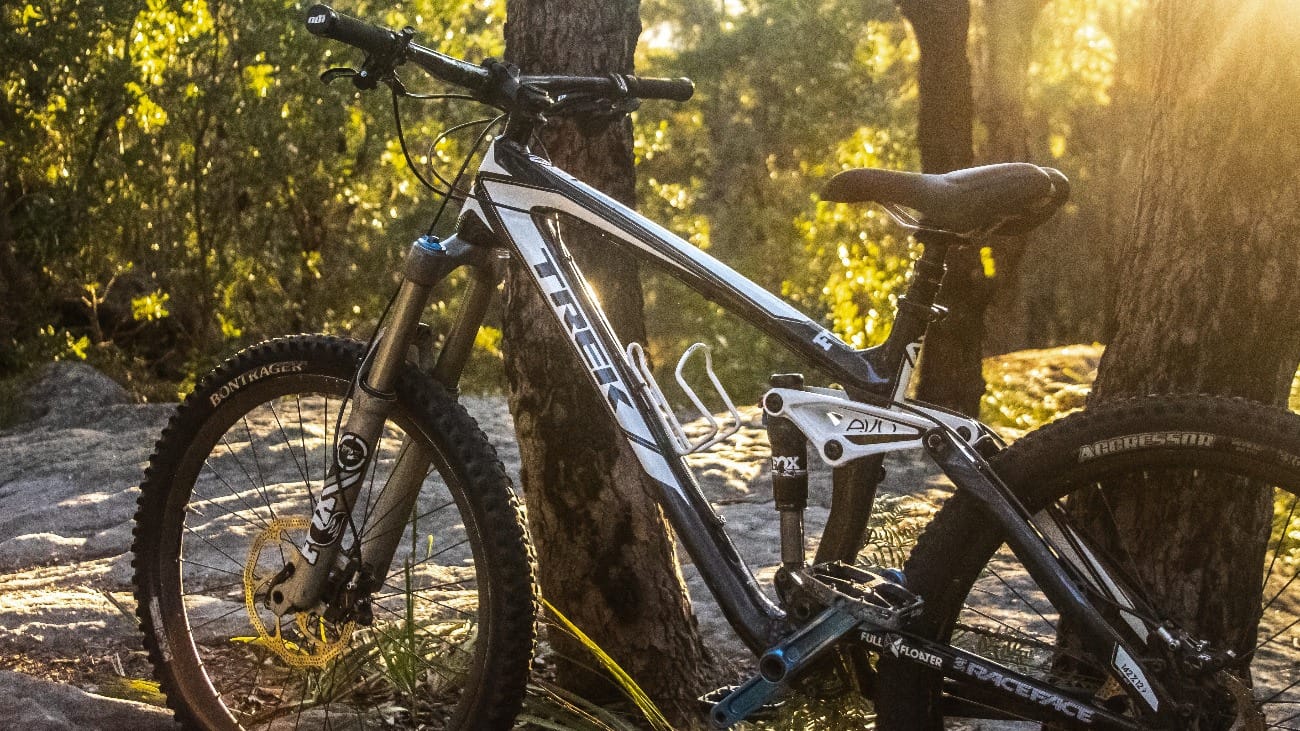
A mountain bike fork is a crucial component that directly impacts your riding experience. It connects the front wheel to the bike’s frame and absorbs shocks and vibrations, ensuring a smooth and comfortable ride on rough terrains.
With various options available, choosing the right mountain bike fork can be daunting. In this guide, we will explore the key factors to consider, along with the pros and cons, to help you make an informed decision.
IN THIS ARTICLE
COMPARE PRODUCTS
1  | SCORE: 8.6 Brand: LIANDU-US  | |
2  | SCORE: 8.4 Brand: RockShox | |
3  | SCORE: 8.0 Brand: RockShox | |
4  | SCORE: 7.6 Brand: BUCKLOS | |
5 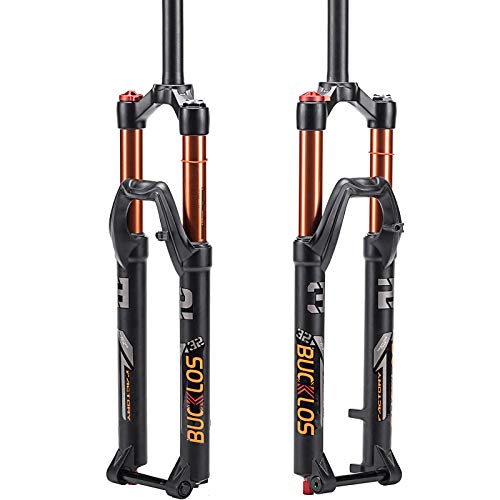 | SCORE: 9.2 Brand: BUCKLOS |
Buying Guide
Pros
- Enhanced ride quality and comfort on rough terrains.
- Improved control and handling, especially during descents.
- Better traction and reduced fatigue during long rides.
- Adjustable suspension options for personalized preferences.
- Potential to upgrade and customize your bike’s performance.
Cons
- Added weight compared to rigid forks, affecting overall bike weight.
- Higher cost for premium and high-performance mountain bike forks.
- Regular maintenance and potential need for servicing.
- Limited compatibility with specific bike frames and wheel sizes.
- Possibility of reduced pedaling efficiency, especially with certain suspension designs.
Suspension Type
Choose between rigid forks, coil suspension forks, or air suspension forks based on your riding style and preferences. Rigid forks offer simplicity and lightweight design, while suspension forks provide shock absorption for a smoother ride.
Travel
Consider the amount of suspension travel you need, which determines the fork’s ability to absorb impacts. Longer travel forks excel in rough and technical terrains, while shorter travel forks are suitable for smoother trails.
Weight
Find a balance between suspension performance and weight. Lighter forks are advantageous for climbing and maneuverability, while heavier forks may offer enhanced durability and robustness.
Compatibility
Ensure the mountain bike fork is compatible with your bike’s frame, wheel size, and axle specifications. Check for the correct steerer tube diameter, axle type (QR or thru-axle), and wheel size (e.g., 26″, 27.5″, 29″).
Adjustability
Consider the adjustability features of the fork, such as rebound damping, compression damping, and air pressure. These allow you to fine-tune the fork’s performance based on different riding conditions and personal preferences.
FAQs
How does a mountain bike fork improve ride quality?
A mountain bike fork enhances ride quality by absorbing shocks and vibrations, allowing for better control and comfort. It helps maintain traction, improves handling on rough terrains, and reduces fatigue.
What are the different types of mountain bike forks?
There are three main types of mountain bike forks: rigid forks, which offer no suspension; coil suspension forks, which use a spring for shock absorption; and air suspension forks, which utilize air pressure for adjustable suspension.
Can I upgrade my existing mountain bike fork?
Yes, upgrading your mountain bike fork is possible in most cases. However, compatibility is crucial, so it’s important to ensure that the new fork is compatible with your bike’s frame, wheel size, and axle specifications.
Final Thoughts
Investing in a quality mountain bike fork can significantly enhance your off-roading experience. By absorbing shocks and vibrations, it improves ride quality, control, and comfort on rough terrains. Consider factors such as suspension type, travel, weight, and compatibility with your bike when selecting a mountain bike fork. Be sure to weigh the pros and cons to find the right balance that suits your riding style and preferences. With the right mountain bike fork, you’ll be ready to conquer any trail with confidence.