It’s that time of year again when the leaves start to change color and the temperature starts to drop. For many cyclists, this means it’s time to break out of the bike computer! A bike computer is a great tool for tracking your speed, distance, and route while you’re cycling.
But some cyclists are wondering: is a bike computer really necessary? Or can I just use my smartphone instead? In this blog post, we will compare bike computers and smartphones to help you decide which is better for your cycling needs.
IN THIS ARTICLE
COMPARE PRODUCTS
1 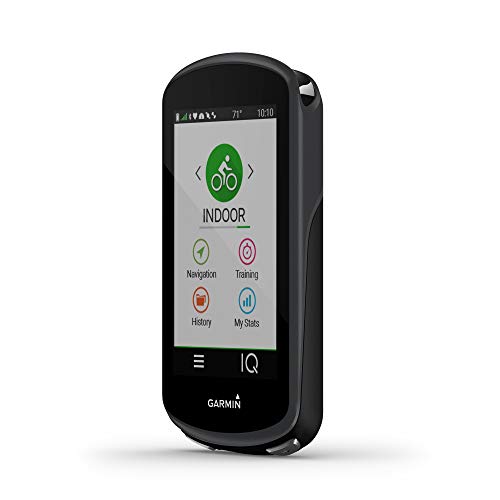 | SCORE: 8.6 Brand: Wahoo  | |
2 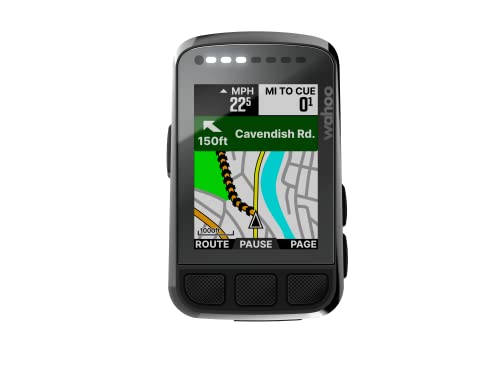 | SCORE: 8.4 Brand: Wahoo | |
3  | SCORE: 8.0 Brand: Wahoo | |
4  | SCORE: 7.6 Brand: ANXRE | |
5  | SCORE: 9.2 Brand: KOM | |
6  | SCORE: 9.2 Brand: Wahoo |
Buying Guide
Size and Durability
One of the biggest differences between bike computers and smartphones is size. A typical bike computer is quite large – about the size of a large smartphone – and it’s designed to be durable enough to withstand constant exposure to harsh weather conditions.
However, many cyclists find that carrying a bulky bike computer on their rides can be uncomfortable or inconvenient.
Tracking Features
Another key difference between bike computers and smartphones is tracking features. While both tools can track your speed and distance, a bike computer also tracks other important data like elevation gain, heart rate, cadence, and power output.
While this information can be useful for hardcore cyclists looking to improve their performance, it may not be necessary for casual riders who just want to track their rides.
Price
At the end of the day, price is likely one of the biggest deciding factors when it comes to choosing between a bike computer and a smartphone. While some high-end bike computers can cost hundreds of dollars, most smartphones only cost $100-$200.
Of course, the added convenience of using your smartphone as a cycling GPS may be worth the extra cost for some cyclists.
Battery life
Finally, bike computers tend to have longer battery life than smartphones. A typical smartphone will only last around 8 hours while a bike computer can last up to 16-20 hours or even more with the right settings.
Navigation
Of course, one of the biggest benefits of using a smartphone as a cycling GPS is navigation. Whether you’re looking for the fastest route, or just trying to avoid traffic, your phone can easily guide you to your destination in real time.
Accuracy
There’s no denying that a smartphone offers more accuracy than a bike computer. While bike computers use GPS to track speed, distance, and other important metrics, they can be prone to inaccuracies due to satellite interference or poor data collection.
Compatibility
Finally, smartphone apps are typically more compatible with other devices than bike computers. Whether you’re riding with a group of friends or training for a race, your smartphone can easily sync up with other cycling accessories like sensors and smartwatches to provide even more valuable data.
FAQs
1. Is a bike computer better than a phone?
There is no clear answer to this question, as there are pros and cons to both bike computers and smartphones when it comes to cycling. On the one hand, a bike computer can provide you with more detailed and accurate information about your ride, such as speed, distance traveled, elevation gain/loss, etc. It can also be more durable and weatherproof than a smartphone, making it ideal for use in all kinds of cycling conditions.
On the other hand, a smartphone is more versatile than a bike computer and can be used for many different things besides cycling. It can provide access to maps and navigation tools, as well as music streaming services, weather reports, and social media platforms. Additionally, it can be paired with many different cycling accessories, including heart rate monitors and GPS trackers, which may make it a more attractive option for some cyclists.
At the end of the day, whether a bike computer or smartphone is better really depends on your individual needs and preferences as a cyclist. Some people may prefer the simplicity and streamlined functionality of a bike computer, while others may prefer the versatility and connectivity that smartphones offer. If you are trying to decide between these two options, it is important to consider your cycling goals and what features will best help you achieve them.
2. Can I use my smartphone as a bike computer?
There is certainly nothing stopping you from using your smartphone as a bike computer, although it may not be the ideal solution for all cyclists. Many cycling apps and accessories are compatible with smartphones, allowing you to pair your phone with your heart rate monitor, GPS tracker, and other devices to get the most out of your ride. Additionally, many apps can provide you with detailed information about your ride, such as speed, distance traveled, elevation gain/loss, and more.
Final Thoughts
At the end of the day, whether you choose to use a bike computer or your smartphone as a bike computer will really depend on your individual needs and preferences as a cyclist. Some people may prefer the simplicity and durability of a bike computer, while others may find the versatility and connectivity offered by smartphones more attractive. If you are trying to decide between these two options, it is important to consider your cycling goals and what features will best help you achieve them. Ultimately, the most important thing is to choose an option that works well for you and allows you to enjoy your ride to the fullest.