If you’re looking for the best fat bike tires for all conditions, look no further! In this blog post, we will discuss five of the best options on the market today.
Fat bikes are perfect for riding in all types of terrain, and with the right tires, you can take them anywhere. So whether you’re planning to ride on snow, sand, or mud, we’ve got you covered!
Read more:
- 10 Best Bike Chain Cleaners
- 5 Best Fat Bike Tires
- 10 of the Best Bike Helmets
- 10 Best Fat Bike Frame Bags
- 10 Best Dirt Bike Handlebar Bags
- Best Road Bike Handlebar Bags
- Best Kids Bike Baskets
- 10 Best Bike Handlebar Bags
- 10 Best Small Bike Handlebar Bags
- Top 7 Best Bike Seats for Overweight Females
- Best Bike Seat For Big Guys
IN THIS ARTICLE
COMPARE PRODUCTS
1 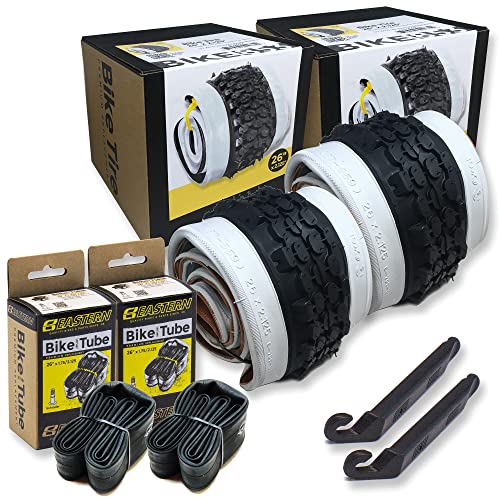 | SCORE: 8.6 Brand: Eastern Bikes  | |
2  | SCORE: 8.4 Brand: Fincci | |
3  | SCORE: 8.0 Brand: Schwinn | |
4  | SCORE: 7.6 Brand: Fincci | |
5  | SCORE: 9.2 Brand: Hycline | |
6  | SCORE: 8.2 Brand: Eastern Bikes | |
7 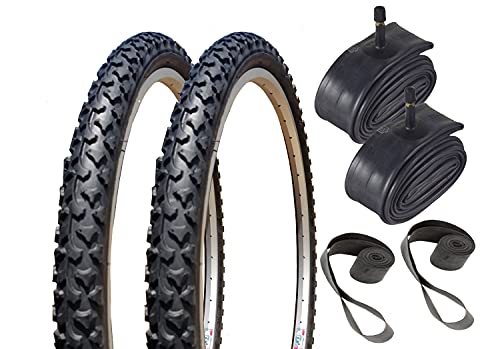 | SCORE: 9.2 Brand: TAC 9 | |
8 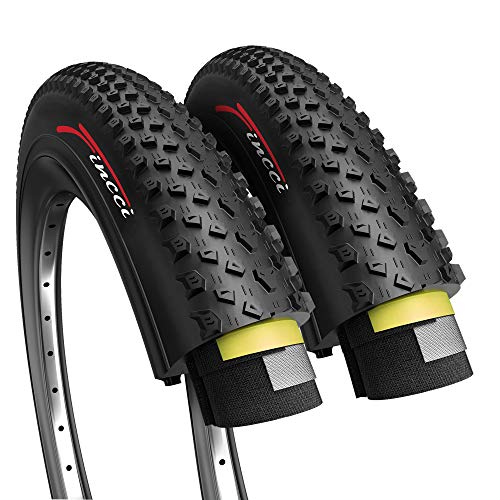 | SCORE: 7.5 Brand: Fincci |
Buying Guide
Width
It is one of the most important factors in choosing a fat bike tire. Generally, wider tires offer more stability and traction on rough terrain. However, it’s also important to consider the type of terrain you’ll be riding on and choose a tire with an appropriate tread pattern for those conditions.
Tread Pattern
The tread pattern of a tire can make all the difference in your ride. A knobby tread works well for off-road riding, while a smoother tread is better for pavement or hardpack terrain.
Durability
You want to choose a tire that can withstand different types of terrain and won’t easily puncture or wear down. Look for a tire with reinforced sidewalls and a durable tread compound.
Weight
A heavier tire can slow you down, but it also offers more stability and durability. Consider the weight versus your preferred riding style and terrain.
Casing
The casing refers to the outer layers of a tire and affects its durability and ride quality. A thicker, more reinforced casing can handle rough terrain but may also add weight.
Air Pressure
Many fat bike tires can be run at the lower air pressure, which offers better traction and shock absorption. However, it’s important to not go too low as this can increase the risk of pinch flats.
Tubeless Compatible
Some fat bike tires are designed to be used without an inner tube, which can offer a smoother ride and decrease the risk of punctures.
Seasonal and Terrain Factors
You may also want to consider whether you’ll primarily be riding in a certain season or type of terrain. For example, some tires have studs for added traction on icy surfaces during winter riding.
FAQs
1. Are fat tires better on bikes?
It depends on the terrain and conditions. Fat tires offer more traction and stability on rough, uneven surfaces like sand or snow. However, they can also make pedaling more difficult on smoother trails or pavement.
2. How do I choose the right fat bike tire?
Consider factors such as your preferred type of terrain, the tire’s width and tread pattern, and the type of tube or tubeless system. It is also important to make sure the tire is compatible with your bike’s frame and fork.
3. How do I maintain my fat bike tires?
Regularly check for wear and tear, properly inflate the tires, clean any debris from the tread, and perform any necessary repairs. It is also recommended to rotate your tires every few rides to ensure even wear.
- 1. Maxxis Mammoth
- 2. Vee Tire Bulldozer
- 3. Surly ExtraTerrestrial
- 4. 45NRTH Dillinger
- 5. Schwalbe Jumbo Jim Evolution Line
These five fat bike tires are known for their durability and versatility in a variety of terrain and conditions. Each tire offers a unique tread pattern, ranging from small knobs for harder-packed surfaces to larger lugs for loose dirt or snow. No matter your riding style, one of these tires is sure to meet your needs.
4. Is a Fat tire bike harder to pedal?
It can be, as the larger surface area creates more rolling resistance. However, the added traction and stability provided by fat tires can make it easier to pedal on challenging terrain. It ultimately depends on the specific tire and terrain conditions.
5. What is the best wheel size for a fat bike?
There is no one-size-fits-all answer as it ultimately depends on the rider’s preferences and the type of terrain they will be riding on. Common sizes for fat bike tires range from 26 inches to 29 inches. Some riders may also choose to use a combination of wheel sizes for different types of terrain. Experimentation and trying out different sizes can help determine what works best for you.
Final Thoughts
Overall, fat bike tires can offer added stability and traction on challenging terrain. When choosing the right tire for your needs, consider factors such as the type of terrain you will be riding on, the tire’s width and tread pattern, and compatibility with your bike. Regular maintenance and proper inflation are also important for maintaining the longevity of your fat bike tires. The five tires listed above are all top choices for their durability and versatility in a variety of conditions. Ultimately, the best fat bike tire is the one that meets your riding needs and preferences.