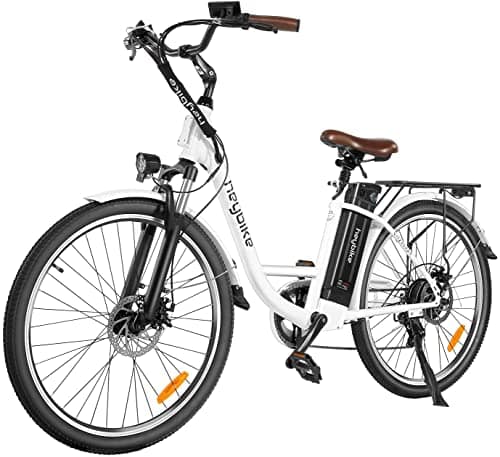
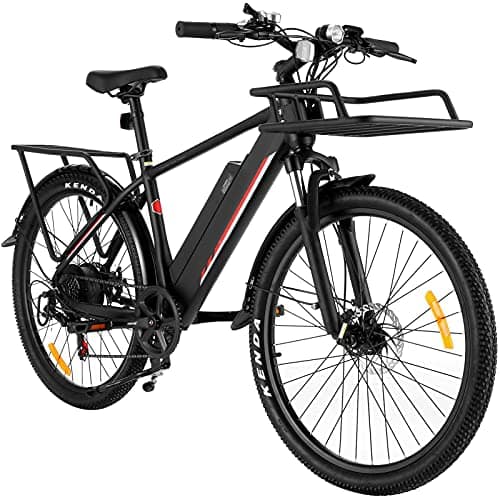
When it comes to biking, having the right bike tubes is crucial for optimal performance and a smooth ride. In this comprehensive guide, we will unveil the top-rated bike tubes that have gained popularity among cyclists of all levels.
These tubes are known for their durability, puncture resistance, and ability to maintain consistent pressure. Whether you’re a casual rider or a professional cyclist, this guide will help you choose the best bike tubes for your specific needs.
IN THIS ARTICLE
COMPARE PRODUCTS
1 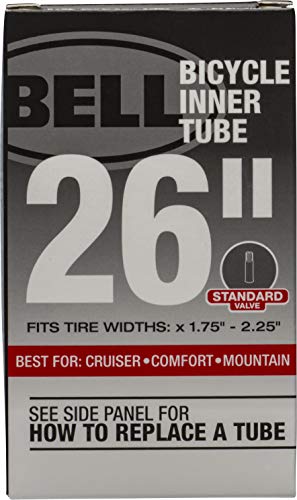 | SCORE: 8.6 Brand: BELL  | |
2 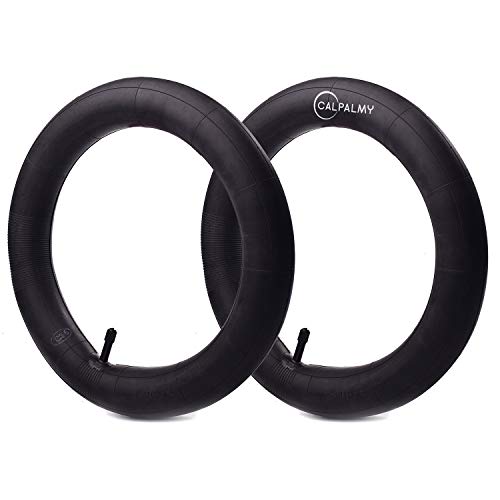 | SCORE: 8.4 Brand: CALPALMY | |
3  | SCORE: 8.0 Brand: ZSFLZS | |
4 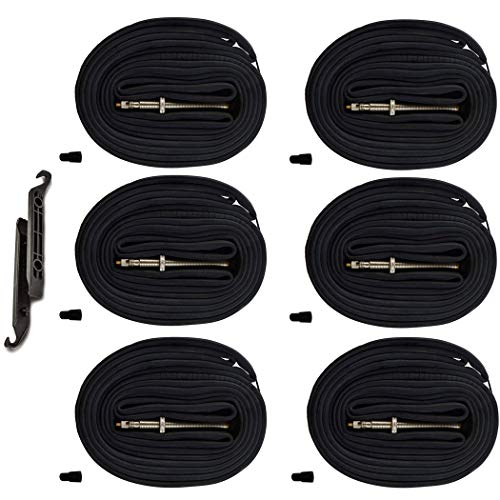 | SCORE: 7.6 Brand: AR-PRO | |
5  | SCORE: 9.2 Brand: YunSCM | |
6  | SCORE: 9.2 Brand: Happy Ebikes |
Buying Guide
Pros
- Improved performance and smoother rides.
- Enhanced durability and puncture resistance.
- Compatibility with various rim types and tire sizes.
- Easy installation and maintenance.
- Options available for different riding styles and terrains.
Cons
- Costlier compared to lower-quality alternatives.
- Some types may require professional assistance for installation.
- Tubeless options may need additional tools or setup expertise.
- Increased weight compared to tubeless systems.
- Slightly higher rolling resistance compared to high-end tubeless setups.
Tube Type
The first factor to consider when purchasing bike tubes is the type of tube you need. There are three main types: clincher, tubular, and tubeless. Clincher tubes are the most common and work with standard rims. Tubular tubes are stitched into a tire and are commonly used in professional racing. Tubeless tubes eliminate the need for an inner tube by creating an airtight seal with the rim. Choose the type that suits your riding style, rim compatibility, and personal preference.
Puncture Resistance
Another crucial factor is the puncture resistance of the bike tubes. Look for tubes that offer enhanced puncture protection, as they will reduce the risk of flats during your rides. Some tubes come with additional layers or reinforced materials designed to resist punctures from sharp objects on the road. Investing in tubes with good puncture resistance will provide peace of mind and minimize the chances of interruptions caused by flat tires.
Size Compatibility
Ensure that the bike tubes you choose are compatible with your tire size. The tube should match the diameter and width specifications listed on your tire sidewall. The most common tire sizes include 700c, 27-inch, and 26-inch for road and mountain bikes. Selecting the correct tube size ensures a proper fit, which is essential for optimal performance and preventing tube damage or blowouts.
Valve Type
Bike tubes come with different valve types, such as Presta and Schrader valves. It’s important to choose the valve type that matches your bike’s rim and valve hole size. Presta valves are slender and commonly found on road bikes, while Schrader valves are thicker and similar to those found on car tires. Check your bike’s rim specifications or consult a bike shop if you’re unsure about the valve type needed for your tubes.
Brand Reputation and Reviews
Consider the reputation and reviews of the brand before purchasing bike tubes. Look for reputable brands that are known for producing high-quality products. Reading customer reviews and feedback can provide valuable insights into the performance, durability, and overall satisfaction of the tubes. Choose brands that have positive reviews and a track record of producing reliable bike tubes, as this will increase the likelihood of a satisfactory purchase.
FAQs
How do I determine the right size of bike tube for my bicycle?
To find the right size bike tube, you need to check the measurements on your tire sidewall. Look for numbers like “700c x 23” or “26 x 2.1”. The first number represents the tire diameter, while the second number indicates the tire width. Match these measurements when selecting a bike tube for a perfect fit.
Are all bike tubes created equal, or are there different types available?
Bike tubes come in various types, such as clincher, tubular, and tubeless. Clincher tubes are the most common and work with standard rims. Tubular tubes are stitched into a tire and used primarily in professional racing. Tubeless tubes, on the other hand, eliminate the need for an inner tube by creating an airtight seal with the rim. Choose the type that suits your riding style and preferences.
How can I prevent flat tires with my bike tubes?
While no tube is completely immune to punctures, there are steps you can take to minimize the risk. Ensure your bike tubes have adequate puncture protection layers or consider using tire liners or sealants. Additionally, maintaining proper tire pressure and avoiding debris-ridden paths can significantly reduce the chances of experiencing a flat tire.
Final Thoughts
Selecting the best bike tubes is essential for a comfortable and hassle-free biking experience. By considering factors like puncture resistance, durability, and size compatibility, you can find the perfect tubes for your bicycle. Whether you’re a recreational cyclist or a dedicated athlete, investing in high-quality bike tubes will provide enhanced performance, reliability, and peace of mind during your rides.