There are three main types of bicycle tires: clincher, tubular, and tubeless. Each type has its own set of pros and cons, which we will discuss in this blog post. Clincher tires are the most common type – they are easy to install and relatively affordable.
Tubular tires offer a more aerodynamic ride, but they can be difficult to install and are more expensive. Tubeless tires provide a smoother ride and are less likely to get a flat, but they can be more challenging to install than the other two types. So, which type is right for you? Read on to find out!
IN THIS ARTICLE
COMPARE PRODUCTS
1 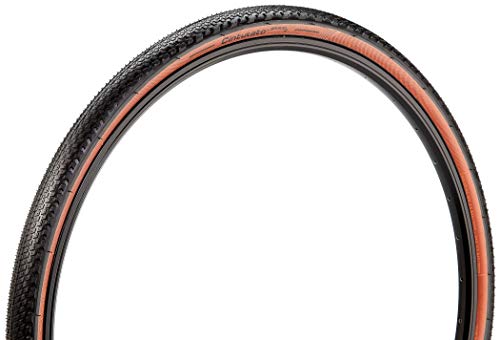 | SCORE: 8.6 Brand: Pirelli Tire LLC  | |
2  | SCORE: 8.4 Brand: Continental | |
3  | SCORE: 8.0 Brand: Continental | |
4  | SCORE: 7.6 Brand: Pirelli | |
5 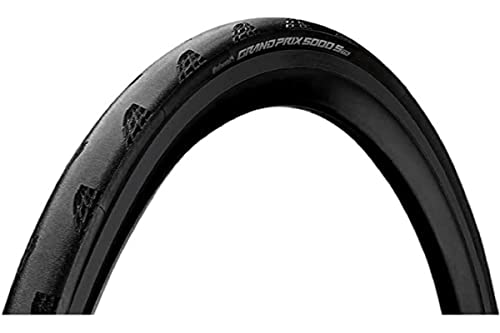 | SCORE: 9.2 Brand: Continental | |
6 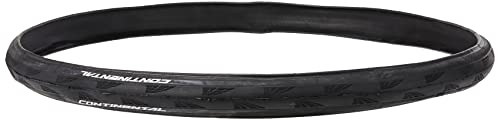 | SCORE: 8.2 Brand: Continental | |
7  | SCORE: 9.2 Brand: Continental |
Buying Guide
Clincher Tires
One of the most popular types of bicycle tires, clincher tires are easy to install and relatively affordable. They are made up of a rubber outer layer that is connected to the rim through an inner tube, which can be replaced if needed.
Pros
- Easily accessible – clincher tires can be found at most bike shops and online retailers
- Inexpensive – clincher tires are generally less expensive than other types of bicycle tires
- Easy to install – unlike tubular tires, which require glue or tape to stay in place, clincher tires can be installed quickly and easily with a tire lever
Cons
- Heavier than other types of tires, which can affect the overall speed and performance of your bike
- More prone to flats and punctures, especially if the inner tube is not properly inflated or there are any tears or cracks in the rubber layer
Tubeless Tires
Tubeless tires are more aerodynamic than clincher tires, and typically provide a smoother ride as well. Unlike clincher tires, which require an inner tube for support, tubeless tires use a special sealant to prevent air from escaping.
Pros
- Smoother ride – since tubeless tires have less rolling resistance than clincher tires, they provide a more comfortable ride
- More aerodynamic – since the rubber layer is smoother and sleeker than other types of tires, tubeless tires are also more aerodynamic than clincher or tubular tires
- Less prone to flats and punctures, as long as the sealant is properly maintained
Cons
- More challenging to install – since tubeless tires require a special sealant, they are harder to install than other types of tires without proper training or experience
- More expensive – due to the extra time and effort that goes into creating and installing tubeless tires, they tend to be more expensive than other types of bicycle tires
Tubular Tires
Finally, we have tubular tires, which are typically lighter and more aerodynamic than other types of bike tires. They also tend to provide a smoother ride and are less prone to flats or punctures. However, installing a tubular tire can be difficult and time-consuming, since it requires gluing the rubber layer directly to the rim.
Pros
- Lightweight and aerodynamic – since the rubber layer of a tubular tire is glued directly to the rim, these tires tend to be lighter and more aerodynamic than other types of bicycle tires
- Smooth ride – due to their streamlined design, tubular tires also provide a smoother ride compared to clincher or tubeless tires
- Less prone to flats and punctures – as long as the rubber layer is properly glued to the rim, tubular tires are less likely to get a flat or suffer from other types of damage
Cons
- Difficult to install – since tubular tires require glue for installation, they can take longer to apply than clincher or tubeless tires and may require help from an expert or professional
- More expensive – since tubular tires use more specialized materials to create a lightweight, aerodynamic design, they tend to be more expensive than other types of bicycle tires
Mounting Process
The mounting process for the clincher, tubular, and tubeless tires varies slightly depending on the type of tire. For clincher tires, you will typically need a bicycle pump or CO2 canister to inflate the inner tube before installing the tire. To install a tubeless or tubular tire, you may need to use a tire lever or some specialized glue to ensure that the rubber layer stays in place. Regardless of the type of tire, it is important to make sure that the rubber layer is properly inflated and seated on the rim before riding your bike.
Puncture Protection
All three types of bicycle tires offer some degree of puncture protection, though this can vary depending on the type of tire. Many clincher and tubeless tires use reinforced rubber or special sealants to prevent damage from sharp objects, while many tubular tires are made with a thicker, more durable rubber layer for added protection against flats and punctures. Ultimately, the amount of puncture protection in a bicycle tire will depend on the type and quality of materials used to create that tire.
Weight and Rolling Resistance
Another key difference between the different types of bicycle tires is weight and rolling resistance. Clincher tires tend to be heavier and less aerodynamic than tubeless or tubular tires, which may affect your speed and performance on long rides. Additionally, clincher tires may have a slightly higher rolling resistance, due to their thicker rubber and wider design. This is one reason why many professional cyclists prefer tubular or tubeless tires for racing and other high-performance activities. Ultimately, the choice between clincher, tubular, and tubeless tires will depend on your riding style, performance goals, and budget.
FAQs
1. Which is better clincher or tubeless?
There is no definitive answer to these questions, as there are pros and cons to each type of tire. Clincher tires are typically easier to install and repair, but they may be more prone to punctures or other damage. Tubeless tires can offer a smoother ride and less pinch flats, but they can require specialized equipment for installation or repair. Tubular tires are generally considered to be the fastest type of tire, but they require more specialized knowledge and equipment to install and maintain. Ultimately, which type of tire is best for you will depend on your riding style, skill level, and other factors.
2. Are tube or tubeless tires better?
There is no definitive answer to this question, as there are pros and cons to both types of tires. Tube tires generally offer a more puncture-resistant design, while tubeless tires tend to be lighter and provide a smoother ride. However, tube tires can require specialized tools for installation or repair, whereas tubeless tires usually do not require any specialized equipment and can typically be installed or fixed using the same tools that you would use to fix a standard clincher tire. Ultimately, which type of tire is best for you will depend on your riding style, skill level, and other factors.
3. Are tubular tires faster than clinchers?
This is a somewhat controversial question, as there are arguments both for and against tubular tires being faster than clinchers. Some cyclists claim that tubular tires offer a more aerodynamic design and consistent ride quality, which allows them to be faster than clincher tires. However, other cyclists argue that the specialized equipment required to install and maintain tubular tires can actually slow you down, as you may need to take your bike to a professional mechanic for installation and repair. Ultimately, the answer to this question will depend on your individual riding style, skill level, and other factors.
Final Thoughts
Whether you prefer clincher, tubular, or tubeless tires will depend on a variety of factors, including your riding style, skill level, and other preferences. Ultimately, the best type of tire for you will depend on your individual needs and goals as a cyclist. To determine which type of tire is right for you, talk to other cyclists, do your research, and try out different options before making a final decision.