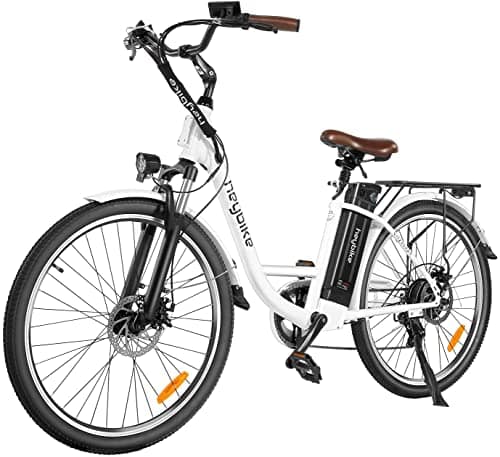
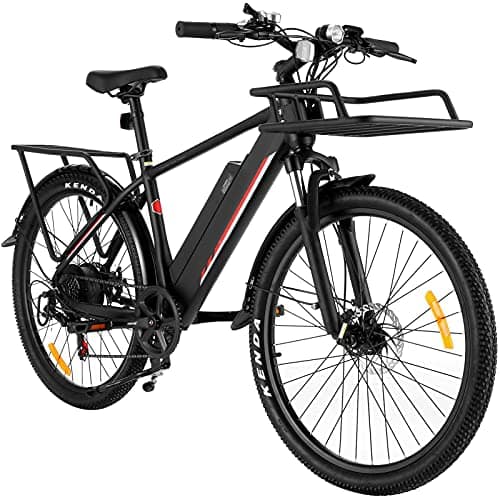
When it comes to cycling, nutrition plays a crucial role in enhancing performance and ensuring optimal recovery. Properly fueling your body with the right nutrients can help you power through long rides, improve endurance, and aid in muscle repair.
In this article, we will explore the fundamentals of cycling nutrition, including key macronutrients, hydration strategies, and timing of meals. Whether you’re a professional cyclist or a recreational rider, understanding and implementing effective nutrition strategies can make a significant difference in your performance on the bike.
IN THIS ARTICLE
COMPARE PRODUCTS
1  | SCORE: 8.6 Brand: Clif Bar  | |
2  | SCORE: 8.4 Brand: GU Energy | |
3  | SCORE: 8.0 Brand: GU Energy | |
4  | SCORE: 7.6 Brand: Clif Bar | |
5  | SCORE: 9.2 Brand: Skratch Labs | |
6 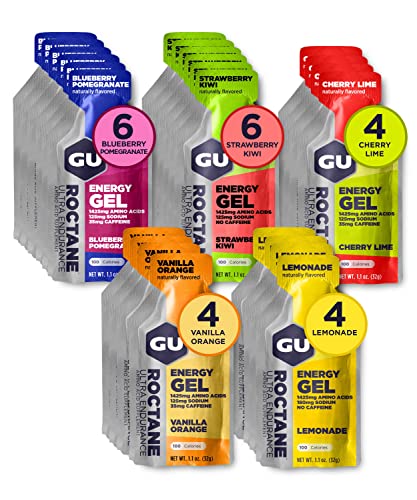 | SCORE: 9.2 Brand: GU Energy |
Buying Guide
Pros
- Enhanced performance: Proper nutrition can improve energy levels, endurance, and overall performance during cycling sessions.
- Muscle recovery: Adequate nutrition supports muscle repair and reduces the risk of injury or fatigue.
- Optimal fueling: Balancing macronutrients ensures a sustained energy supply for long rides.
- Weight management: Cycling nutrition can help maintain a healthy weight and body composition.
- Improved overall health: A well-rounded nutrition plan for cyclists provides essential nutrients, supports immune function, and reduces the risk of chronic diseases.
Cons
- Individual variation: Nutritional needs may vary depending on factors like age, sex, weight, and training intensity, requiring personalized approaches.
- Complexity: Balancing macronutrients and meeting specific nutritional requirements may be challenging for beginners or those unfamiliar with sports nutrition.
- Cost: Some specialized cycling nutrition products or supplements can be expensive, potentially adding to the overall cost of cycling.
Nutritional Content
Examine the nutritional profile of cycling nutrition products, including the balance of carbohydrates, proteins, and fats. Look for options that provide adequate energy for your rides and support muscle recovery.
Ingredient Quality
Pay attention to the quality of ingredients used in cycling nutrition products. Opt for options that prioritize natural and wholesome ingredients, avoiding artificial additives, preservatives, and excessive sugar.
Digestibility
Consider the ease of digestion of the cycling nutrition products. Look for options that are easily absorbed and do not cause gastrointestinal discomfort during your rides. Some products may have specific formulations for quick absorption.
Portability and Convenience
Evaluate the portability and convenience of the cycling nutrition products. Choose options that are easy to carry and consume during your rides, such as energy gels, bars, or powdered drink mixes that can be easily mixed with water.
Personal Preferences and Dietary Needs
Consider your personal preferences and dietary restrictions when selecting cycling nutrition products. Look for options that align with your dietary preferences, such as vegan, gluten-free, or dairy-free options, ensuring they cater to your specific needs.
FAQs
Why is nutrition important for cyclists?
Proper nutrition is essential for cyclists as it provides the fuel needed for energy, aids in muscle recovery, and enhances performance. The right balance of macronutrients, such as carbohydrates, proteins, and fats, along with sufficient hydration, helps optimize endurance and prevent fatigue during long rides.
What should I eat before a long cycling ride?
Before a long cycling ride, it’s crucial to consume a balanced meal rich in carbohydrates for sustained energy. Opt for foods like whole grains, fruits, and vegetables. Additionally, include a moderate amount of protein and healthy fats to support muscle repair and satiety.
How often should I hydrate during a cycling session?
Hydration is key during cycling to prevent dehydration and maintain performance. Aim to drink water or electrolyte-rich beverages every 15-20 minutes, especially in hot or humid conditions. Listen to your body’s signals and drink enough to avoid feeling thirsty.
Final Thoughts
In conclusion, prioritizing cycling nutrition can significantly impact your performance and overall experience on the bike. By fueling your body with the right nutrients, hydrating adequately, and timing your meals strategically, you can optimize your energy levels, improve endurance, and enhance muscle recovery. Remember to personalize your nutrition plan based on your unique needs and consult a registered dietitian for personalized guidance. With a well-rounded approach to cycling nutrition, you’ll be well on your way to achieving your cycling goals.