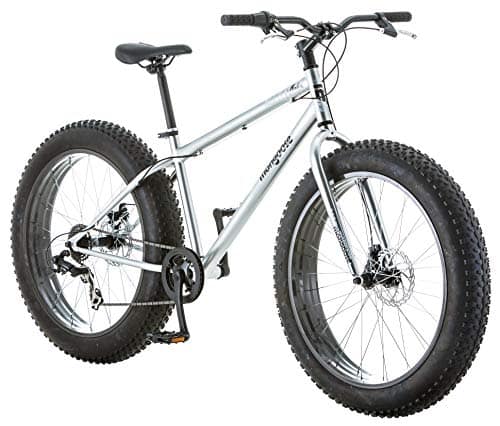
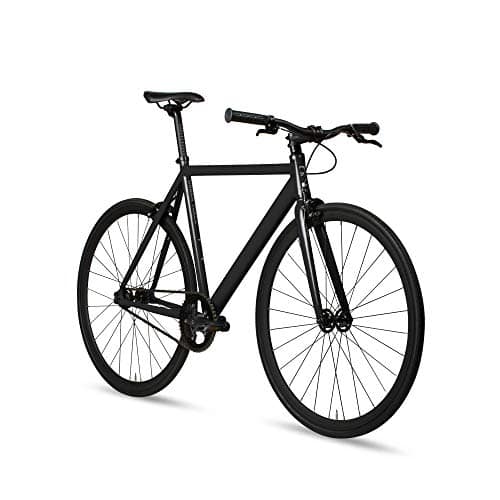
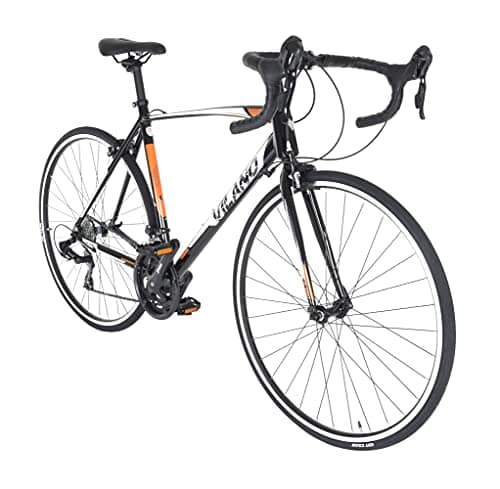
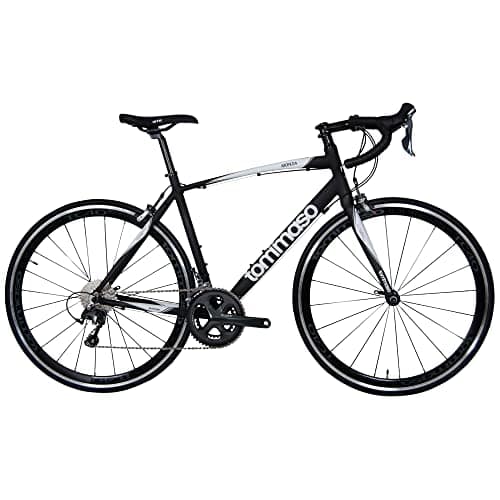
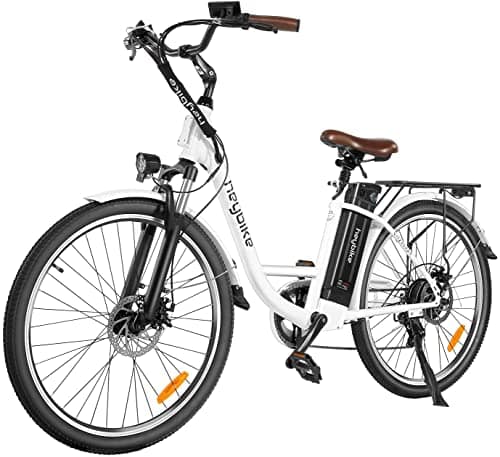
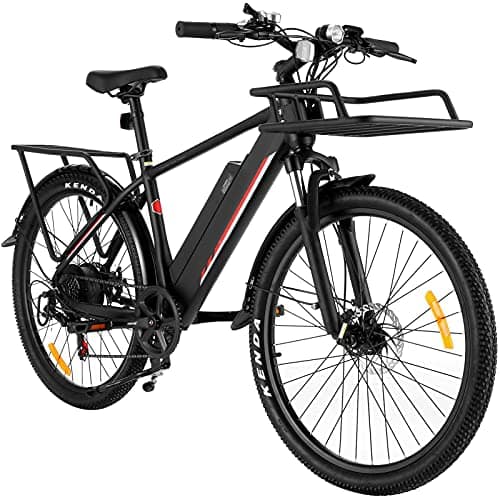
When it comes to conquering rough terrains and embarking on off-road adventures, gravel bikes are the go-to choice for many cyclists. These versatile bikes are designed to handle various surfaces, combining the agility of road bikes with the durability of mountain bikes.
In this article, we have curated a list of the best gravel bikes available today, considering factors such as performance, comfort, and value for money. Whether you’re a seasoned rider or a beginner, our guide will help you find the perfect gravel bike for your needs.
IN THIS ARTICLE
COMPARE PRODUCTS
1 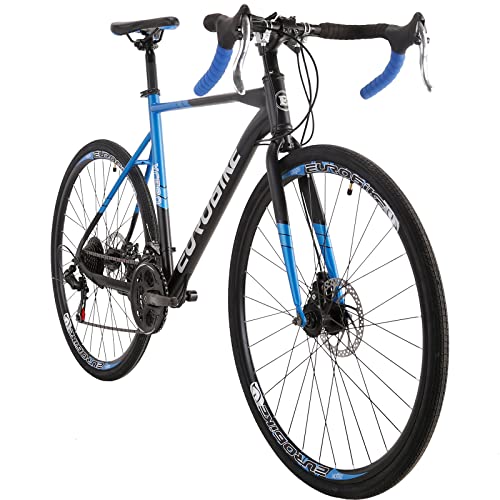 | SCORE: 8.6 Brand: EUROBIKE  | |
2  | SCORE: 8.4 Brand: EUROBIKE | |
3 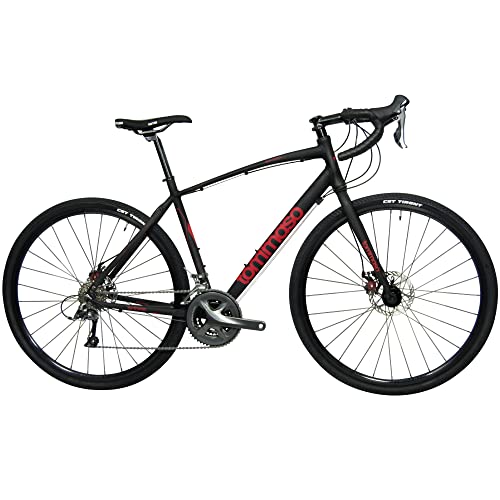 | SCORE: 8.0 Brand: Tommaso | |
4 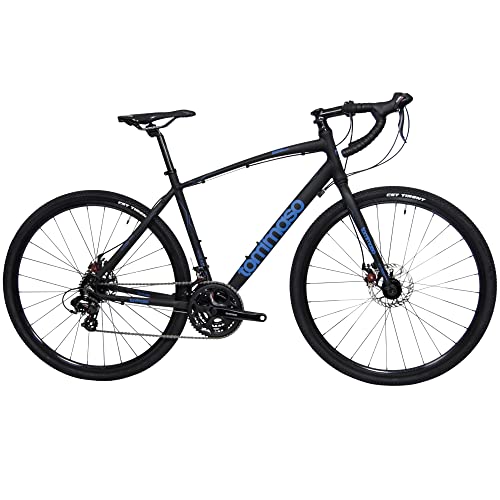 | SCORE: 7.6 Brand: Tommaso | |
5  | SCORE: 9.2 Brand: Schwinn | |
6  | SCORE: 9.2 Brand: Vilano |
Buying Guide
Pros:
- Versatility: Gravel bikes excel in various terrains, making them suitable for commuting, touring, and off-road adventures.
- Comfort: With a more relaxed geometry and wider tires, gravel bikes offer a comfortable riding experience even on bumpy surfaces.
- All-Weather Performance: Gravel bikes often have features like disc brakes and wider tire clearance, enhancing their performance in different weather conditions.
- Stability: The stability provided by gravel bikes makes them ideal for long rides and carrying additional gear.
- Customization: Gravel bikes allow for customization with different tires, handlebars, and accessories, catering to individual preferences.
Cons:
- Price: High-quality gravel bikes can be expensive, especially those with advanced components and materials.
- Weight: Some gravel bikes may be heavier compared to road bikes, which can affect speed and acceleration on paved surfaces.
- Limited Speed: Gravel bikes are not as fast as dedicated road bikes, primarily due to their wider tires and more relaxed geometry.
Frame Material
The frame material plays a crucial role in determining the bike’s weight, durability, and ride quality. Common options include aluminum, steel, carbon fiber, and titanium. Aluminum offers a good balance of affordability and lightweight, while steel provides a comfortable ride with durability. Carbon fiber frames are lightweight and offer excellent vibration damping, ideal for longer rides. Titanium frames are known for their durability, comfort, and corrosion resistance, but they tend to be more expensive.
Tire Clearance and Width
Gravel bikes require wider tires to handle various terrains effectively. Consider the tire clearance of the bike, which determines the maximum tire width you can use. A wider tire provides better traction and stability on gravel, while a narrower tire may offer more speed on pavement. Look for a gravel bike that accommodates the tire width suitable for your riding preferences and the type of terrain you’ll be exploring.
Gearing Options
Gravel rides often include steep climbs and fast descents, so having the right gearing range is crucial. Look for a gravel bike with a wide range of gears, including low gears for climbing and high gears for maintaining speed on flats and descents. Opt for a drivetrain that suits your fitness level and the type of terrain you plan to ride on. Some popular options include 1x (single chainring) and 2x (double chainring) setups.
Braking System
Gravel bikes commonly feature either disc brakes or rim brakes. Disc brakes, particularly hydraulic ones, offer superior stopping power, especially in wet and muddy conditions. They also require less maintenance and perform consistently. Rim brakes, on the other hand, are lighter and more affordable but may not provide the same level of stopping power and performance in adverse conditions. Consider your riding environment and personal preferences when choosing the braking system.
Bike Fit and Geometry
A proper bike fit ensures comfort, efficiency, and handling. Look for a gravel bike with a geometry that suits your body proportions and riding style. Gravel bikes typically have a more relaxed geometry compared to road bikes, offering a more upright riding position for comfort and stability. However, the exact geometry can still vary among different brands and models. Consider factors such as stack and reach measurements, top tube length, and handlebar width to find the right fit for your body type and riding preferences.
FAQs
What makes a gravel bike different from other types of bikes?
Gravel bikes feature wider tires for better traction on gravel, dirt, and rough roads. They also have a more relaxed geometry, providing stability and comfort during long rides.
Can I use a gravel bike for other purposes, like commuting or touring?
Absolutely! Gravel bikes are incredibly versatile. With their ability to handle different surfaces, they are well-suited for commuting, touring, and even light trail riding.
How do I choose the right size for a gravel bike?
The best way to determine the right size is by considering your height and inseam measurement. However, it’s always recommended to test ride different sizes to find the most comfortable fit.
Final Thoughts
In conclusion, the best gravel bikes offer a thrilling blend of speed, comfort, and versatility. Whether you’re planning an off-road adventure or looking for a reliable daily commuter, investing in a quality gravel bike is a wise choice. By considering factors such as frame material, tire width, gearing options, and overall performance, you can find the perfect gravel bike that meets your specific requirements. So, get ready to explore new horizons and take on any terrain with confidence on the best gravel bikes available today.