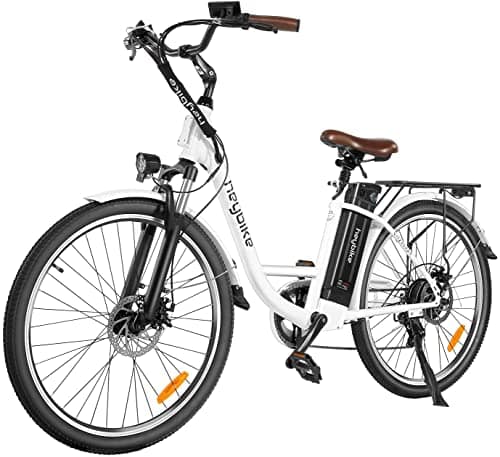
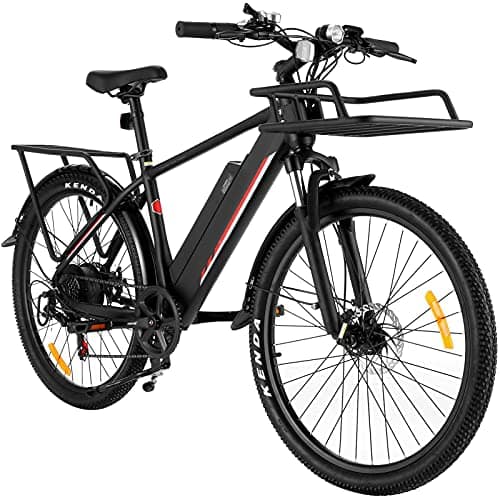
Welcome to our comprehensive guide on the best electric bikes available in the market today. Electric bikes offer an innovative and eco-friendly way to commute and enjoy the outdoors.
Whether you’re an urban commuter or an adventure enthusiast, electric bikes provide an extra boost to your pedaling power, making your rides more enjoyable and efficient. In this guide, we’ll explore the top options, answer frequently asked questions, and provide a helpful buying guide to assist you in finding the best electric bike to suit your needs.
IN THIS ARTICLE
COMPARE PRODUCTS
1  | SCORE: 8.6 Brand: CYCROWN  | |
2  | SCORE: 8.4 Brand: Hidoes | |
3  | SCORE: 8.0 Brand: Oraimo | |
4  | SCORE: 7.6 Brand: FEOFFY | |
5  | SCORE: 9.2 Brand: Oraimo | |
6  | SCORE: 9.2 Brand: Vivi |
Buying Guide
Pros
- Eco-friendly transportation option with reduced carbon emissions.
- Enhanced pedaling power and assistance for longer rides.
- Suitable for various terrains and inclines.
- Can help improve fitness levels while minimizing joint stress.
- Convenient and cost-effective alternative to traditional transportation methods.
Cons
- Initial investment can be higher compared to regular bicycles.
- Electric bikes require charging and periodic maintenance.
- Heavier weight compared to non-electric bicycles.
- Limited range depending on battery capacity.
- Some models may have restricted access in certain areas due to local regulations.
Motor Type and Power
The motor is the heart of an electric bike, and it’s essential to consider its type and power. There are generally two types of motors: hub motors and mid-drive motors. Hub motors are located in the wheel hub, while mid-drive motors are positioned near the bike’s bottom bracket. Mid-drive motors offer better weight distribution and improved handling, making them ideal for off-road and hilly terrains. Additionally, consider the motor power, usually measured in watts, as it determines the bike’s speed and climbing ability. Choose a motor power suitable for your intended use and terrain.
Battery Range and Capacity
The battery range indicates how far you can ride on a single charge. It’s crucial to evaluate your commuting or riding needs and choose an electric bike with a battery range that matches your requirements. Battery capacity is measured in watt-hours (Wh) or ampere-hours (Ah). Higher-capacity batteries generally offer longer ranges. Consider factors such as your daily commute distance, the availability of charging stations, and whether you’ll require extra range for longer rides or hilly terrains.
Frame and Riding Comfort
The frame plays a significant role in the overall riding experience and comfort. Consider factors such as frame material (e.g., aluminum, carbon fiber), frame design (step-through or diamond frame), and frame size. The right frame should provide a comfortable riding position and accommodate your height and riding style. Test ride different models to ensure a proper fit and comfortable riding experience, especially if you plan to spend extended periods on the bike.
Components and Features
Pay attention to the quality and functionality of components and features on the electric bike. Consider aspects such as the braking system, gears (internal hub or derailleur), suspension (front fork or full suspension), tires (width and tread pattern), and lighting. Opt for reliable and durable components that suit your riding preferences and intended terrain. Additional features such as integrated lights, fenders, and racks can enhance convenience and utility.
Price and Value
Set a budget for your electric bike purchase and find the best balance between price and value. Higher-priced models often offer better components, more advanced features, and improved performance. However, it’s important to consider your specific needs and determine if the additional features justify the price difference. Compare different models, read customer reviews, and consider long-term value, including warranty, customer support, and resale potential.
FAQs
Are electric bikes suitable for long-distance rides?
Absolutely! Electric bikes are designed to assist riders in covering longer distances with less effort. With the help of their electric motor, you can travel extended distances while enjoying a comfortable and enjoyable ride.
How fast can electric bikes go?
The maximum speed of an electric bike depends on various factors, such as the motor power and local regulations. In general, most electric bikes can reach speeds between 20 to 28 miles per hour (32 to 45 kilometers per hour).
Can I ride an electric bike in the rain?
Yes, you can ride an electric bike in the rain, but it’s essential to check the manufacturer’s specifications and ensure that the bike is rated for water resistance. Additionally, it’s recommended to take extra precautions, such as wearing appropriate rain gear and being mindful of slippery road conditions.
Final Thoughts
In conclusion, electric bikes offer a fantastic opportunity to enhance your cycling experience. Whether you’re looking for a convenient mode of transportation, a way to stay fit and active, or simply want to enjoy the thrill of cycling with a little extra assistance, the best electric bikes on the market have got you covered. By considering the pros and cons, and using our buying guide, you’ll be well-equipped to make an informed decision and find the perfect electric bike that meets your requirements and preferences.