When it comes to cycling, safety should always be a top priority, and a high-quality bike helmet is an essential piece of protective gear. In this comprehensive guide, we’ll explore the world of bike helmets and help you find the best one to suit your needs.
Whether you’re a casual rider or a seasoned cyclist, we’ll provide valuable insights, answer common questions, and share the pros and cons to help you make an informed decision. Let’s dive in!
IN THIS ARTICLE
COMPARE PRODUCTS
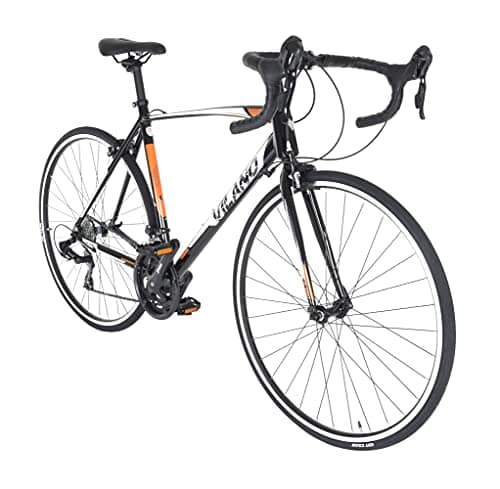
1  | SCORE: 8.6 Brand: Vilano  | |
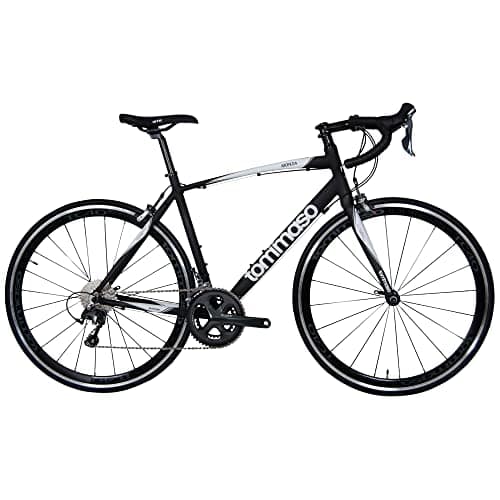
2  | SCORE: 8.4 Brand: Tommaso | |
3  | SCORE: 8.0 Brand: BV | |
4  | SCORE: 7.6 Brand: Vilano | |
5  | SCORE: 9.2 Brand: Schwinn | |
6  | SCORE: 8.2 Brand: Vilano | |
7  | SCORE: 9.2 Brand: Vilano |
Buying Guide
Pros
- Enhanced Safety: Best bike helmets offer reliable protection against head injuries, minimizing the risk of severe consequences in case of accidents.
- Comfortable Fit: Many helmets come with adjustable straps and padding, allowing for a personalized and comfortable fit.
- Ventilation: Quality helmets often feature ventilation systems that help keep the head cool during long rides.
- Stylish Designs: Manufacturers offer a wide range of stylish designs and color options to suit individual preferences.
- Durability: The best bike helmets are built to withstand impacts and offer long-lasting durability.
Cons
- Cost: High-quality helmets with advanced features can be more expensive, but it’s an investment in your safety.
- Size and Fit: Finding the right size and fit can be a challenge, and it may require trying on several helmets before finding the perfect one.
- Style Limitations: While helmets prioritize safety, some may find the available styles and designs limited compared to non-safety-focused headgear. However, safety should always come first.
Safety Standards
Look for helmets that meet or exceed the safety standards set by recognized organizations such as the Consumer Product Safety Commission (CPSC), Snell Memorial Foundation, or the European standard EN 1078. These standards ensure that the helmet has undergone rigorous testing and meets minimum safety requirements.
Helmet Type
Consider the type of cycling you’ll be doing. Road bike helmets are designed for aerodynamics and lightweight performance, while mountain bike helmets offer more coverage and durability for off-road riding. Choose a helmet that matches your specific cycling discipline to ensure optimal protection and functionality.
Fit and Comfort
A properly fitting helmet is essential for both safety and comfort. Look for helmets with adjustable retention systems and straps that allow you to customize the fit. The helmet should sit level on your head, covering the forehead and not tilting forward or backward. It should feel snug but not tight, with no pressure points. Try on different sizes and models to find the one that fits you best.
Ventilation
Ventilation is crucial to keep your head cool and comfortable during long rides. Look for helmets with adequate airflow, such as those with well-placed vents and internal channeling. Good ventilation helps prevent overheating and allows for better airflow, reducing sweat accumulation and increasing overall comfort.
Additional Features
Consider any additional features that may enhance your cycling experience. Some helmets offer removable visors to protect your eyes from the sun or rain. Others may have integrated bug nets to keep insects out. Features like built-in lights, reflective elements, or compatibility with camera mounts can add convenience and enhance visibility during rides.
FAQs
Why is wearing a bike helmet important?
Wearing a bike helmet is crucial because it protects your head in the event of a fall or collision. Helmets are designed to absorb impact and minimize the risk of serious head injuries, such as concussions or skull fractures. It’s a simple yet effective way to significantly enhance your safety while cycling.
How do I choose the right helmet size?
To choose the right helmet size, measure the circumference of your head just above your eyebrows with a flexible tape measure. Match this measurement to the helmet sizing chart provided by the manufacturer. It’s important to find a helmet that fits snugly without being too tight or too loose to ensure proper protection and comfort.
How often should I replace my bike helmet?
It is recommended to replace your bike helmet every five years, even if it appears to be in good condition. Over time, the materials and protective features of the helmet may degrade, reducing its effectiveness. Additionally, if your helmet has been involved in a crash or sustained significant damage, it’s essential to replace it immediately.
Final Thoughts
Choosing the best bike helmet is a critical decision to ensure your safety while cycling. By considering factors such as helmet construction, fit, ventilation, and added features, you can find the ideal helmet that meets your needs. Remember to prioritize safety over style and invest in a high-quality helmet that provides the necessary protection. Stay protected and enjoy your cycling adventures with confidence!